
Why Estate Plans Should Be Fluid, Not Solid.
In the pursuit of financial efficiency, investors often seek solutions that are scalable, repeatable, and universally applicable. We look for model portfolios, standardized expense ratios, and automated savings plans. However, applying this “off-the-rack” mindset to the vital arena of wealth transfer is not just naive; it is a fundamental miscalculation that can erode decades of carefully managed capital.
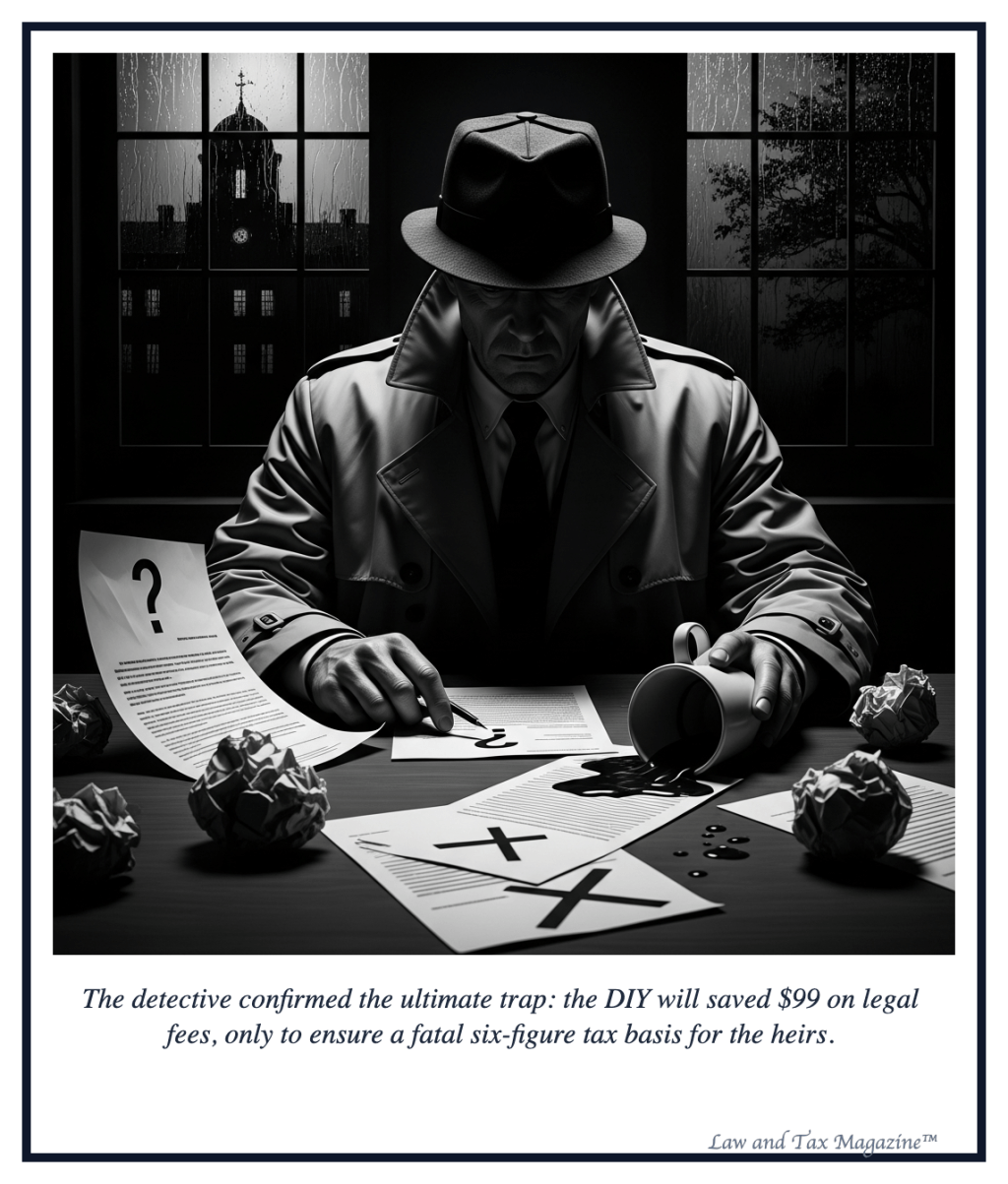
The notion that a single, boilerplate legal document or a simple online template can effectively manage the eventual dissolution and transfer of a complex portfolio and a multi-generational legacy is financially negligent. The most sophisticated investors, from founders to family office principals, understand this absolute truth: there is no one-size-fits-all estate and tax strategy. Every single case is different.
Ignoring this reality means accepting unnecessary tax liabilities, inviting litigation, and risking the fragmentation of family wealth. For the general public seeking financial security, recognizing the demand for a custom strategy is perhaps the single most important investment decision they can make today.
The Ever-Evolving Variables That Demand Customization
The failure of the cookie-cutter approach stems from the sheer number of variables that define a modern financial life. A successful strategy must synthesize three primary areas that are unique to every individual.
1. Intricate Family Dynamics
A standardized will or estate plan assumes a simple, traditional family structure. Is your family a “traditional and cookie-cutter” family or one-of-a-kind?
In reality, modern families are increasingly complex. Blended families require carefully articulated trusts to ensure both a surviving spouse and children from a previous marriage are provided for without unintended disinheritance or conflict. Furthermore, individuals with special needs dependents require sophisticated Special Needs Trusts (SNTs) that preserve government benefits while providing for the heir.
The strategy cannot simply transfer assets; it must reflect intent. Without precise language, an inheritance intended for a young adult could be subject to predatory creditors, divorce proceedings, or poor financial decisions. The complexity of conditional distributions, such as incentivizing education or delaying access until a certain age, demands bespoke planning instruments, not form-fill documents.
2. Diverse Asset Complexity
A simple estate may consist solely of cash and marketable securities. A complex one, typical of the Forbes reader, involves a heterogeneous mix of assets that carry dramatically different tax and liquidity profiles.
Consider the difference in planning for privately held business interests versus publicly traded stocks. A business often requires detailed buy-sell agreements, valuation clauses, and specific succession plans integrated into the estate documents. Real estate across state lines complicates matters immensely, often necessitating ancillary probate proceedings or the use of specific property-holding trusts.
The rise of illiquid assets, from private equity funds to digital assets like cryptocurrency, introduces valuation challenges and jurisdictional questions that standard documents simply cannot address. The strategy must dictate which assets are held by which entities to optimize for the eventual transfer.
3. Jurisdictional Nuances
The United States does not operate under a single, unified set of estate and property laws. Community property states versus common law states have radically different presumptions about marital assets. Furthermore, state-level estate and inheritance taxes, which can exist even when the federal exemption is not reached, vary significantly.
Moving across state lines, even years before death, can invalidate or complicate existing wills, trusts, and powers of attorney. A sophisticated plan addresses these geographical risks proactively, often utilizing trusts domiciled in favorable jurisdictions to shield assets from state-level taxes or lengthy, expensive probate processes in a decedent’s primary residence state.
The Critical Link: Investment Strategy and Tax Basis
The most powerful argument for a personalized estate plan lies in its direct impact on lifetime investment strategy. Estate planning is not merely a death-planning exercise; it is an immediate tax-optimization engine.
The strategic use of the “step-up in basis” rule is a prime example. Assets held until death often receive a new cost basis equal to their fair market value on the date of death, effectively eliminating capital gains tax for heirs. Conversely, assets gifted during life transfer the donor’s original, typically lower, cost basis to the recipient, exposing the future sale to significant capital gains tax.
A one-size-fits-all approach overlooks this nuance. A custom strategy guides the investor on which highly appreciated assets to hold for the step-up, which cash-generating assets to transfer during life to utilize annual or lifetime exclusions, and which assets should be placed into specific trust structures, such as a Charitable Remainder Trust (CRT), to achieve income diversification and tax deferral simultaneously. This interplay between investment selection, holding period, and transfer vehicle is the highest form of tax arbitrage available to affluent families.
Contingency and The Living Document
The final error of the generalized plan is treating it as a static, permanent document. Tax laws, family circumstances, and wealth levels are constantly in flux. The federal estate tax exemption may change radically with future legislation, necessitating immediate structural adjustments to existing trusts or gifting strategies.
A bespoke plan is a living document requiring review when a major life event occurs, such as a marriage, divorce, birth of a grandchild, the sale of a business, or a significant change in federal tax policy.
A tailored strategy is the final, most crucial layer of wealth preservation, ensuring that your financial legacy is transferred efficiently, securely, and exactly according to your deepest intentions.
Take a moment to review your estate plans.
Ensure they are in alignment with your current and future goals.
A plan that was drafted a few years ago may not capture changes that will impact the outcome.
I’d love to hear your thoughts.
Thank you,
Sid Peddinti, Esq.
Disclaimer: No professional advice (financial, legal, or technical) contained. Always consult qualified professionals before making any decisions.
#estateplans #willsandtrusts #estateplanning #taxstrategy #assetprotection


 Law and Tax magazine
Leave a comment