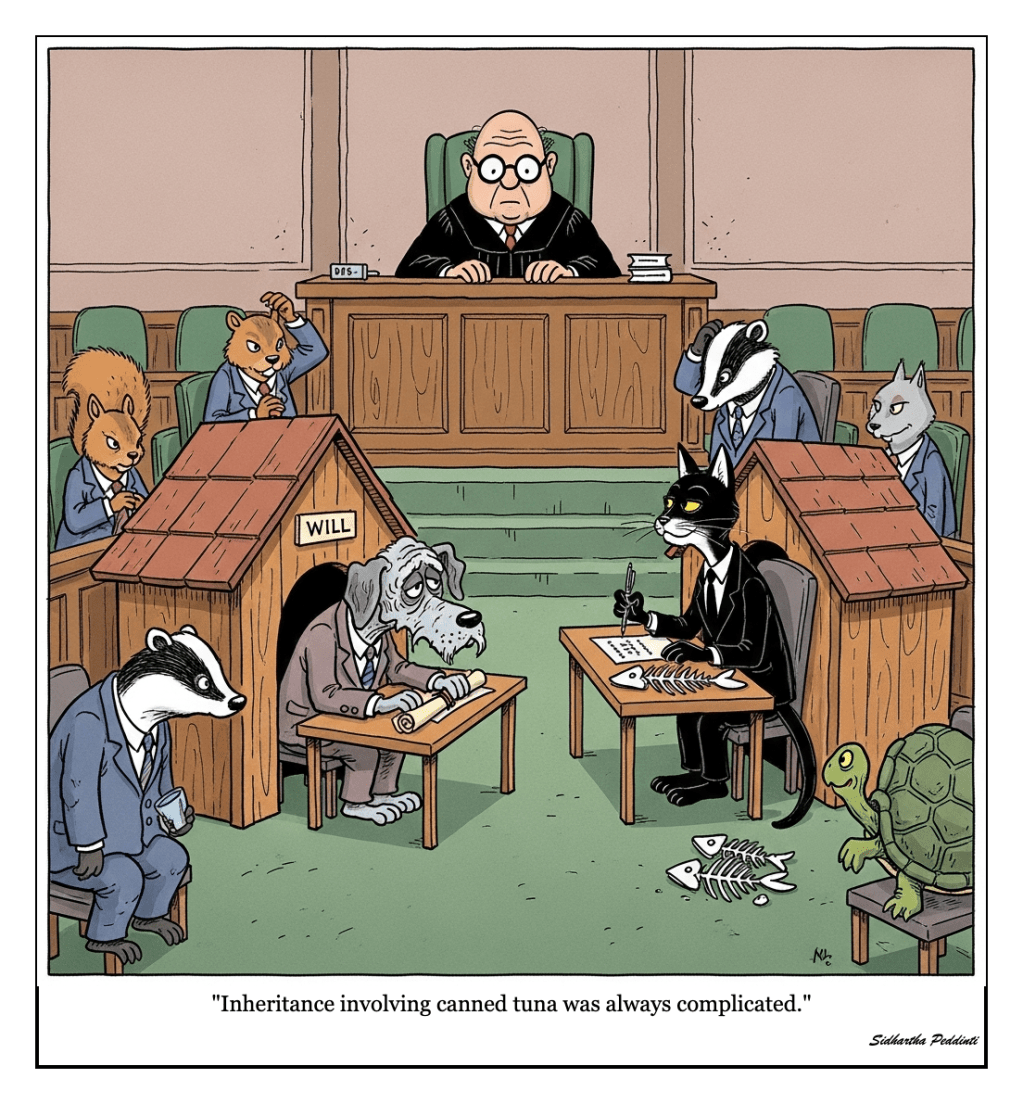
The Probate Court Process
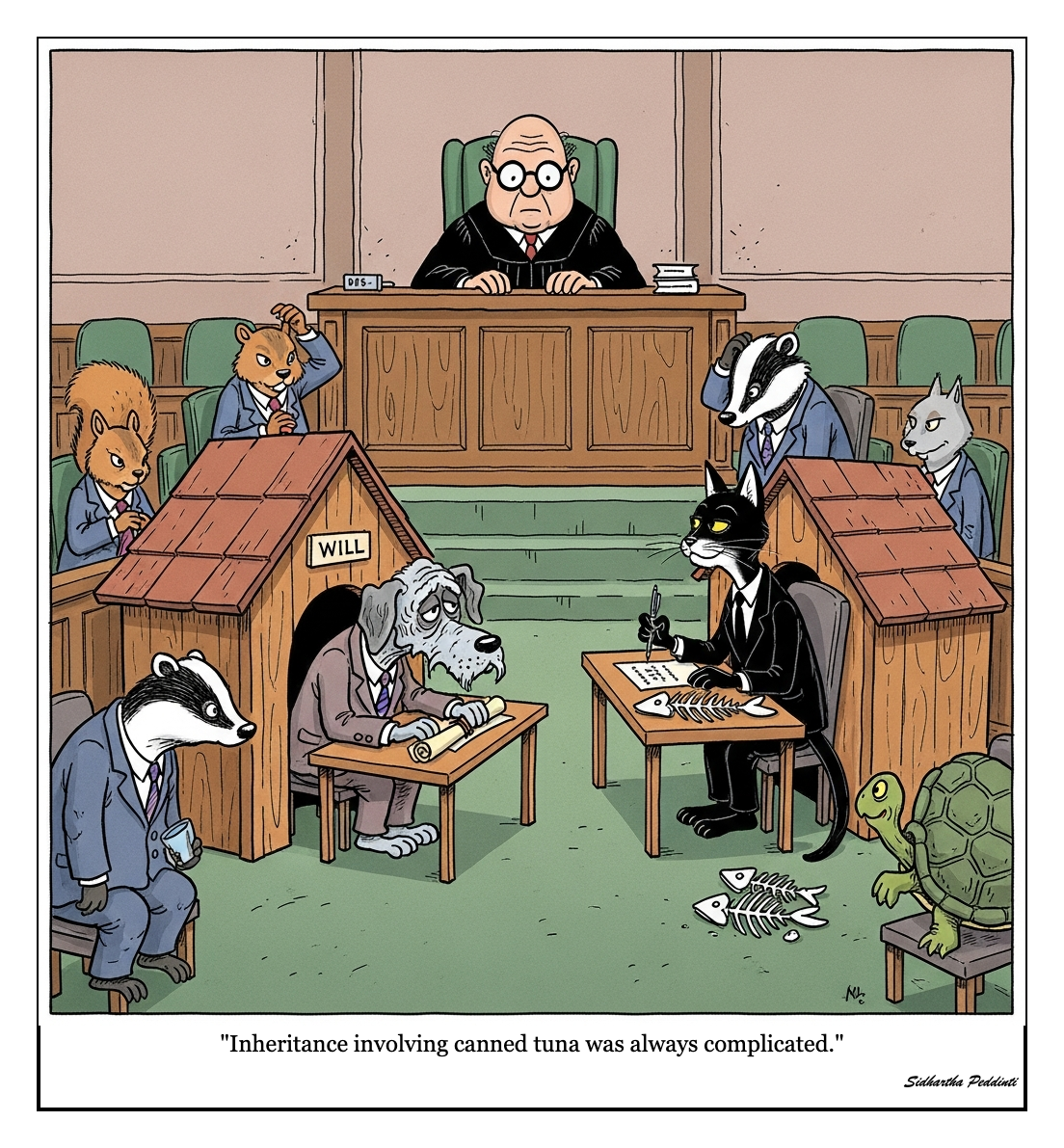
Probate is often whispered about in hushed tones at holiday dinners or mentioned as a cautionary tale by estate planners. For many families, business owners, and nonprofit leaders, it remains a mysterious “black box” of legal proceedings. In reality, probate is a structured, court-supervised process designed to ensure a person’s final wishes are honored and their financial footprint is neatly tucked away.
When a person passes away, their assets don’t just automatically move to their heirs. There is a legal “limbo” where the court must verify the transition of ownership. This guide pulls back the curtain on the machinery of the probate court, the role of the executor, and the specific hurdles a family faces before an inheritance is ever distributed.
⚡ Key Takeaways
- Probate is Mandatory for Most Estates: Unless assets are held in a trust or have specific beneficiary designations, they must pass through court.
- The Will is a Roadmap, Not a Key: A Will does not avoid probate; it serves as the instruction manual for the probate court.
- Public Record: All probate filings, including asset values and the names of heirs, are accessible to the public.
- Creditors Come First: All valid debts and taxes must be settled before any beneficiary receives a dime.
- Timeline: Expect a minimum of 6 to 12 months for even the simplest estates to close.
Contents
- The Reality of the Probate Process
- Common Estate Planning Myths
- The 11-Step Probate Walkthrough
- The Role of Modern Communication: IRS Risks
- Comparison: Probate vs. Trust Administration
- Frequently Asked Questions (FAQ)
- Call To Action & Next Steps
- References & Sources
The Reality of the Probate Process
For business owners and leaders, probate represents more than just a family transition; it is a period of operational risk. If a business owner dies without a clear succession plan or a trust, their shares or ownership interest may be locked in probate. During this time, the “executor” or “personal representative” must step in to keep the lights on, often requiring court permission for major business decisions.
At its core, probate serves three masters: the government (for taxes), the creditors (for debts), and the heirs (for inheritance). The court acts as a referee to ensure that no one cuts the line and that the rules of the state are followed to the letter.
Do Common Estate Planning Myths Lead to Probate?
A frequent question we hear is: do common estate planning myths lead to probate? The short answer is yes. Many people believe that having a Last Will and Testament allows their family to skip the court process. This is perhaps the most dangerous myth in estate planning.
A Will is essentially a letter addressed to the probate judge. It says, “When I die, I want this person to handle my affairs and these people to get my property.” By its very nature, a Will requires probate to be authenticated. Families who rely solely on a Will—rather than a Revocable Living Trust or “Transfer on Death” designations—will inevitably find themselves in the probate system. This misunderstanding often leads to “what every family should know”: planning is about more than just writing down your wishes; it is about choosing the legal vehicle those wishes travel in.
The 11-Step Probate Walkthrough
Understanding the “behind the scenes” mechanics of probate helps manage expectations regarding speed and cost.
1. Filing the Petition
The process starts in the county where the deceased lived. An attorney files a petition to “open the estate.” This filing asks the court to validate the Will (if one exists) and officially recognize the person who will be in charge. This is the moment the estate becomes a matter of public record.
2. Appointment of the Personal Representative
If there is a Will, the court issues Letters Testamentary. If there is no Will, it issues Letters of Administration. These “Letters” are the “Golden Ticket” for the executor. Without them, a bank or brokerage firm will not even talk to the family. This document gives the executor the legal power to sign documents and move money on behalf of the deceased.
3. Notice to Heirs and Beneficiaries
The court requires transparency. Every person mentioned in the Will, and every person who would have inherited if there were no Will (heirs-at-law), must be notified. This gives disgruntled family members a chance to object to the Will or the choice of executor early in the process.
4. Notice to Creditors
This is where the process often slows down. The executor must publish a notice in a local newspaper. This “Legal Notice” tells anyone the deceased owed money to that they have a limited window (usually 3 to 6 months) to file a claim. If they miss the deadline, their debt is often barred forever.
5. Inventory of Assets
The executor becomes a detective. They must find every bank account, piece of real estate, stock certificate, and valuable item of personal property. This is a critical stage for business owners, as it involves identifying business interests, intellectual property, and partnership agreements.
6. Date-of-Death Valuation
It is not enough to know what the deceased owned; we must know what it was worth the day they died. This involves hiring professional appraisers for real estate, jewelry, or private business valuations. This “Fair Market Value” establishes a “stepped-up basis,” which is vital for calculating future capital gains taxes for the heirs.
7. Paying Valid Debts
Before any inheritance is paid out, the estate must settle its accounts. This includes funeral bills, final medical expenses, and credit card balances. The executor uses the estate’s money—not their own—to pay these. If the estate is “insolvent” (owes more than it owns), state law dictates the order in which creditors get paid.
8. Tax Filings and Payments
The taxman always gets his share first. The executor must file the deceased’s final personal income tax return (1040) and, if the estate earns income during the probate process, an estate income tax return (1041). For very large estates, federal estate tax returns may also be required.
9. Resolving Disputes
If a sibling disagrees with a business valuation or a cousin challenges the validity of the Will, the probate process grinds to a halt. The court holds evidentiary hearings to resolve these disputes. Litigation is the primary reason probate can stretch from months into years.
10. Final Accounting
Before closing the doors, the executor must provide a “Final Accounting” to the court and the beneficiaries. This is a line-item report showing every penny that came in and every penny that went out. It proves that the executor handled the money responsibly.
11. Distribution and Closing
Once the court approves the accounting, it issues an order to distribute the remaining assets to the beneficiaries. The executor hands out the checks or deeds, files a final petition to be “discharged” (released from liability), and the estate is officially closed.
Comparison: Probate vs. Trust Administratio
| Feature | Probate (With a Will) | Trust Administration |
|---|---|---|
| Supervision | Court-supervised | Private / Out-of-court |
| Privacy | Public Record | Private |
| Timeline | 6 – 24 Months | 2 – 6 Months (Typically) |
| Cost | Court fees + Attorney fees (Higher) | Attorney fees (Lower) |
| Ease of Use | High burden of paperwork | Streamlined for Trustee |
| Contestability | Easier to contest in open court | Harder to contest |
Frequently Asked Questions (FAQ)
What assets skip the probate process?
Assets with “beneficiary designations” (like 401ks, IRAs, and Life Insurance) or “Transfer on Death” (TOD) / “Payable on Death” (POD) bank accounts typically skip probate. Assets held in a Trust also bypass the court.
How much does probate cost?
Costs vary by state but generally include court filing fees, appraisal fees, and attorney fees. In some states, fees are a percentage of the estate value (e.g., 2% to 4%), while in others, attorneys charge by the hour.
Can I be held personally liable for the deceased’s debts?
Generally, no. Heirs and executors are not responsible for the deceased’s debts unless they were a co-signer on the loan. The debts are paid out of the estate’s assets. If the money runs out, the creditors are usually out of luck.
Why is probate so slow?
The “Notice to Creditors” period is a mandatory waiting game. Even if everything is ready, the executor cannot legally close the estate until the creditor window has expired.
Does a Will protect my privacy?
No. Once a Will is filed for probate, it becomes a public document. Anyone can go to the courthouse and read your Will or see the inventory of what you owned.
Call To Action & Next Steps
Navigating the intersection of law, business, and family legacy requires more than just a template; it requires an understanding of how technology and modern regulations change the game.
Subscribe to our master AI publication for daily legal, tech, and market insights. We provide the frameworks business owners and leaders need to protect their assets in an increasingly transparent world.
Learn more at: https://www.peddintilaw.com
Article Contributed By:
Sid Peddinti, Esq. – Lawyer, Researcher, Publisher, AI Innovator
Website: https://www.peddintilaw.com
Keywords / Topics: #AI #LegalTech #Innovation #Publishing #FutureOfTech
References & Sources
Factual domain knowledge provided by Peddinti Law Professional Corp.
American Bar Association: Guidelines for Executors and Trustees.
Internal Revenue Service (IRS): Publication 559, Survivors, Executors, and Administrators.
Uniform Probate Code (UPC) Standards for Estate Valuation.
 Law and Tax Magazine
Leave a comment