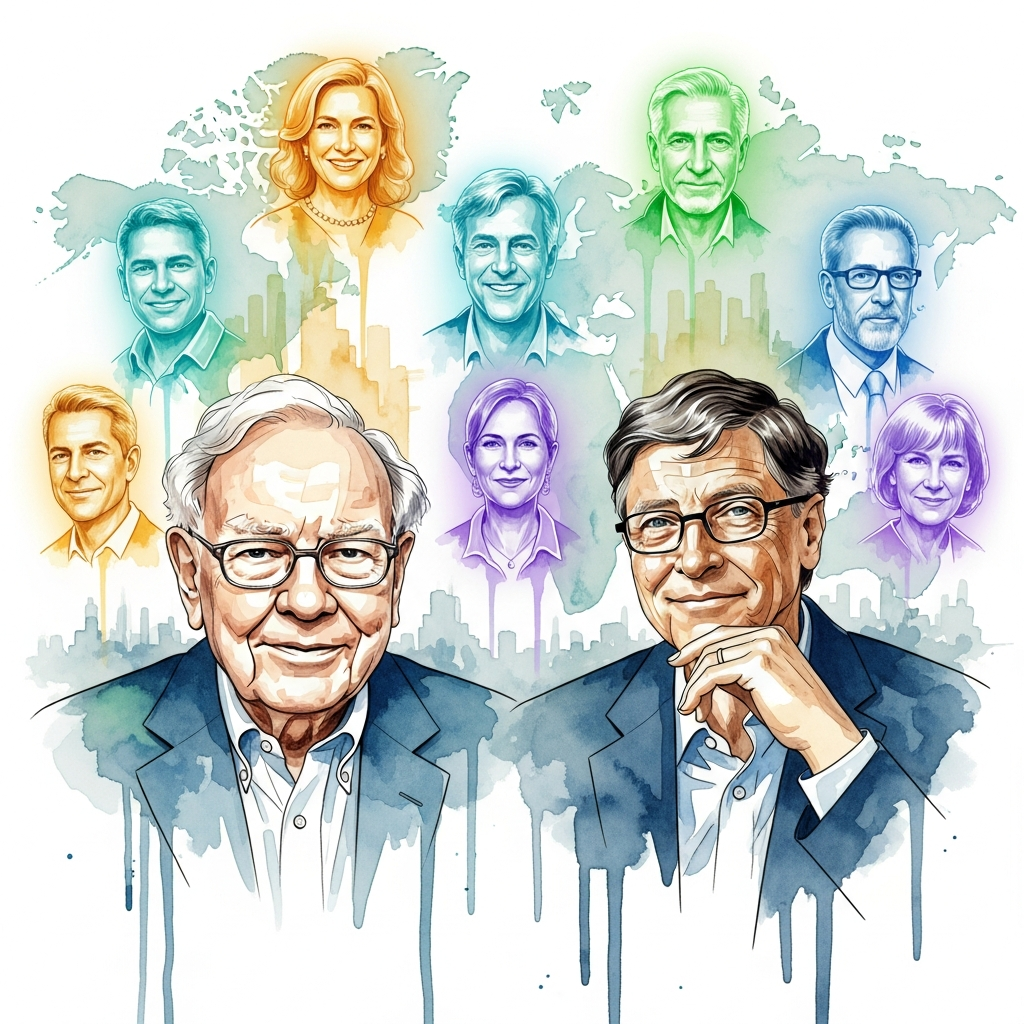
Do well and do good in the world…

Philanthropy is often misunderstood as a practice reserved for the ultra-wealthy—a series of high-profile galas and multi-million dollar checks. However, at its core, philanthropy is a strategic tool for social engineering and community building. For business owners, nonprofit leaders, and individuals alike, understanding the mechanics of modern giving is essential for creating a legacy that outlasts a balance sheet.
This deep-dive exploration breaks down the fundamental nature of philanthropy, examines how the world’s most influential figures are rewriting the rules of impact, and provides a blueprint for how you can apply these high-level strategies to your own organization, regardless of your current capital.
⚡ Key Takeaways
- Philanthropy vs. Charity: Philanthropy focuses on solving “root causes” rather than providing temporary “band-aid” relief.
- The Three Ts: Giving is measured by Time, Talent, and Treasure. You do not need to be wealthy to be a philanthropist.
- Strategic Models: From MacKenzie Scott’s “Trust-Based” model to Bill Gates’ “Data-Driven” approach, different strategies yield different societal returns.
- Social Capital: Celebrities use their personal brands and networks—not just their money—to catalyze systemic change.
Table of Contents
- Defining the Field: What Is Philanthropy?
- The Entry Barrier Myth: Do You Have to Be Wealthy?
- Case Studies: World’s Most Philanthropic Celebrities
- Comparative Analysis: Giving Strategies
- How Celebrities Use Success to Change Lives
- Practical Strategies for Business Owners and Nonprofits
- Frequently Asked Questions (FAQ)
- Call To Action & Next Steps
- References & Sources
Defining the Field: What Is Philanthropy?
The word philanthropy originates from the Greek philein (to love) and anthropos (humanity). It literally translates to the “love of humanity.” In a modern context, what is philanthropy? It is the strategic act of donating resources—including money, time, expertise, or influence—to improve the human condition and solve social problems.
It is critical to distinguish philanthropy from simple charity. Charity is often reactive and emotional; it provides immediate relief to those suffering (e.g., donating to a food bank after a disaster). Philanthropy is proactive and intellectual; it seeks to understand why the food bank was needed in the first place and works to overhaul the agricultural or economic systems to prevent hunger entirely. It is the difference between giving someone a fish and investing in the infrastructure of the entire fishing village.
The Entry Barrier Myth: Do You Have to Be Wealthy?
A common misconception prevents many talented individuals from identifying as philanthropists: the belief that a seven-figure bank account is a prerequisite. So, do you have to be wealthy to be a philanthropist? The short answer is no.
Philanthropy is a mindset and a methodology, not a tax bracket. Modern giving is categorized by the “Three Ts”:
- Time: Volunteering at a board level or providing manual labor for community projects.
- Talent: “Pro-bono” work. For a business owner, this might mean a marketing agency managing the social media of a local shelter or a lawyer providing legal counsel to a startup nonprofit.
- Treasure: Financial contributions. While large sums make headlines, recurring small-dollar donations are the lifeblood of the nonprofit sector, providing the “predictable revenue” that allows organizations to plan for the long term.
If you are using your professional skills to solve a societal problem, you are a philanthropist.
Case Studies: World’s Most Philanthropic Celebrities
When we ask, who are some of the world’s most philanthropic celebrities?, we aren’t just looking at the size of their checks, but the innovation of their methods.
Bill Gates and Melinda French Gates: The Data-Driven Approach
The Gates Foundation treats philanthropy like a global R&D lab. They focus on “big bets” in global health, such as the total eradication of polio and the improvement of sanitation in developing nations. Their strategy is rooted in data, rigorous measurement, and long-term scientific investment.
MacKenzie Scott: The Trust-Based Disruptor
MacKenzie Scott has completely upended the traditional philanthropic world. Unlike many donors who require endless paperwork and “strings attached” to their grants, Scott practices “trust-based philanthropy.” She identifies high-performing nonprofits, gives them massive, unrestricted sums, and tells them to use the money however they see fit. This allows organizations to pivot quickly and cover operational costs that traditional donors often ignore.
Dolly Parton: The Niche Brand Alignment
Dolly Parton’s “Imagination Library” is a masterclass in focused impact. By mailing over 200 million books to children, she has addressed a specific lever: early childhood literacy. Her philanthropy is an extension of her personal brand—humble, accessible, and deeply rooted in her Appalachian heritage.
LeBron James: The Holistic Support Model
Through the “I PROMISE School,” LeBron James has shown that education isn’t just about books; it’s about removing barriers. His foundation provides free tuition, uniforms, bicycles, and even job placement for the parents of students. This is a “wraparound” service model that addresses the entire ecosystem of a child’s life.
Comparative Analysis: Giving Strategies
| Philanthropist | Primary Strategy | Focus Area | Key Lesson for Business Owners |
|---|---|---|---|
| Bill Gates | Data & Tech Integration | Global Health | Use your core competency (tech/data) to measure impact. |
| MacKenzie Scott | Unrestricted, Trust-Based | Social Equity | Empowerment is more effective than micromanagement. |
| Dolly Parton | Specific Niche Branding | Literacy | Pick one specific problem and own it completely. |
| LeBron James | Ecosystem/Holistic | Education/Community | Address the “root causes” that prevent success. |
| Oprah Winfrey | Leadership & Education | Female Empowerment | Invest in “human capital” to create future leaders. |
How Celebrities Use Their Success to Change Lives
Beyond writing checks, how are celebrities using their success to change lives? They leverage “Social Capital”—a resource that is often more valuable than liquid cash.
1. Awareness and Advocacy (The Bullhorn Effect)
Celebrities use their massive social media followings to bring attention to underfunded crises. When a celebrity “shines a light” on a cause, it often results in a massive influx of “retail” donations from the public that a nonprofit could never have reached on its own.
2. Leveraging Partnerships
Public figures often act as “brokers.” They use their brand power to convince major corporations to partner with nonprofits. This creates a “win-win-win” scenario: the corporation gets positive PR, the celebrity fulfills their mission, and the nonprofit gets corporate-level funding and logistics.
3. Direct Action and Logistics
During natural disasters, celebrities like Sean Penn or José Andrés (World Central Kitchen) often deploy private resources—planes, kitchens, and supply chains—to bypass traditional bureaucratic delays. This is an “agile” approach to philanthropy.
4. Establishing Private Foundations
By creating a 501(c)(3) foundation, celebrities create a permanent vehicle for their mission. This allows for multi-generational impact and provides a structured way for their business ventures to funnel profits into social causes.
Practical Strategies for Business Owners and Nonprofits
You don’t need a Super Bowl ring or a Platinum record to adopt these strategies. Here is how entrepreneurs and nonprofit leaders can use these lessons:
- Audit Your “Talent” Inventory: As a business owner, your highest value isn’t necessarily your cash; it’s your professional expertise. Offer your business’s core service (accounting, design, logistics) to a nonprofit for free. This is high-impact philanthropy.
- Adopt the “Trust-Based” Model: If you are a donor, stop micromanaging your favorite charities. If you trust their mission, give them unrestricted funds. This allows them to pay for rent, electricity, and staff—things they need to actually do the work.
- Niche Down: Don’t try to solve “world hunger.” Try to solve “weekend food insecurity for the elementary school in my zip code.” Following the Dolly Parton model of specific, niche focus creates measurable, visible results.
- Leverage Your Network: Your “Social Capital” is your Rolodex. Introduce nonprofit leaders to your business partners. Sometimes, a warm introduction to a high-net-worth individual is worth more than any donation you could personally make.
Frequently Asked Questions (FAQ)
What is the main difference between charity and philanthropy?
Charity is a short-term response to an immediate need (e.g., giving a meal), whereas philanthropy is a long-term strategic effort to solve the underlying causes of that need (e.g., reforming local food distribution systems).
Can I be a philanthropist if I am in debt or have a small income?
Yes. Philanthropy includes the contribution of Time and Talent. Volunteering your professional skills (like bookkeeping or social media management) for a cause is a significant philanthropic act.
Why do celebrities start their own foundations instead of just giving to existing ones?
Starting a foundation allows a celebrity to maintain control over the mission, ensure the funds are used according to their specific vision, and create a lasting brand identity around their cause. It also allows them to pool resources from other donors and corporations.
How can a small business benefit from being philanthropic?
Philanthropy builds “Brand Equity.” Customers are more likely to support businesses that share their values. Additionally, it improves employee morale and retention, as workers feel their labor contributes to a higher purpose.
Call To Action & Next Steps
Understanding the landscape of philanthropy is the first step toward building a legacy. Whether you are a business owner looking to integrate social impact into your business model or a nonprofit leader seeking to attract high-level donors, the strategies of the world’s most philanthropic figures offer a roadmap for success.
Subscribe to our master AI publication for daily legal, tech, and market insights. We provide the tools you need to navigate the intersection of innovation and impact.
Website: https://www.peddintilaw.com
References & Sources
- The Giving Pledge: A commitment by the world’s wealthiest individuals to dedicate the majority of their wealth to philanthropy.
- Center for High Impact Philanthropy (University of Pennsylvania).
- UNHCR: The UN Refugee Agency – Celebrity Supporters and Impact Reports.
- The Bill & Melinda Gates Foundation Annual Letters.
- The Imagination Library: Literacy Impact Studies.
- Yield Giving: The MacKenzie Scott Philanthropy Database.
Article Contributed By:
Sid Peddinti, Esq. – Lawyer, Researcher, Publisher, AI Innovator
Website: https://www.peddintilaw.com
Keywords / Topics: #AI #LegalTech #Innovation #Publishing #FutureOfTech
 Law and Tax Magazine
Leave a comment