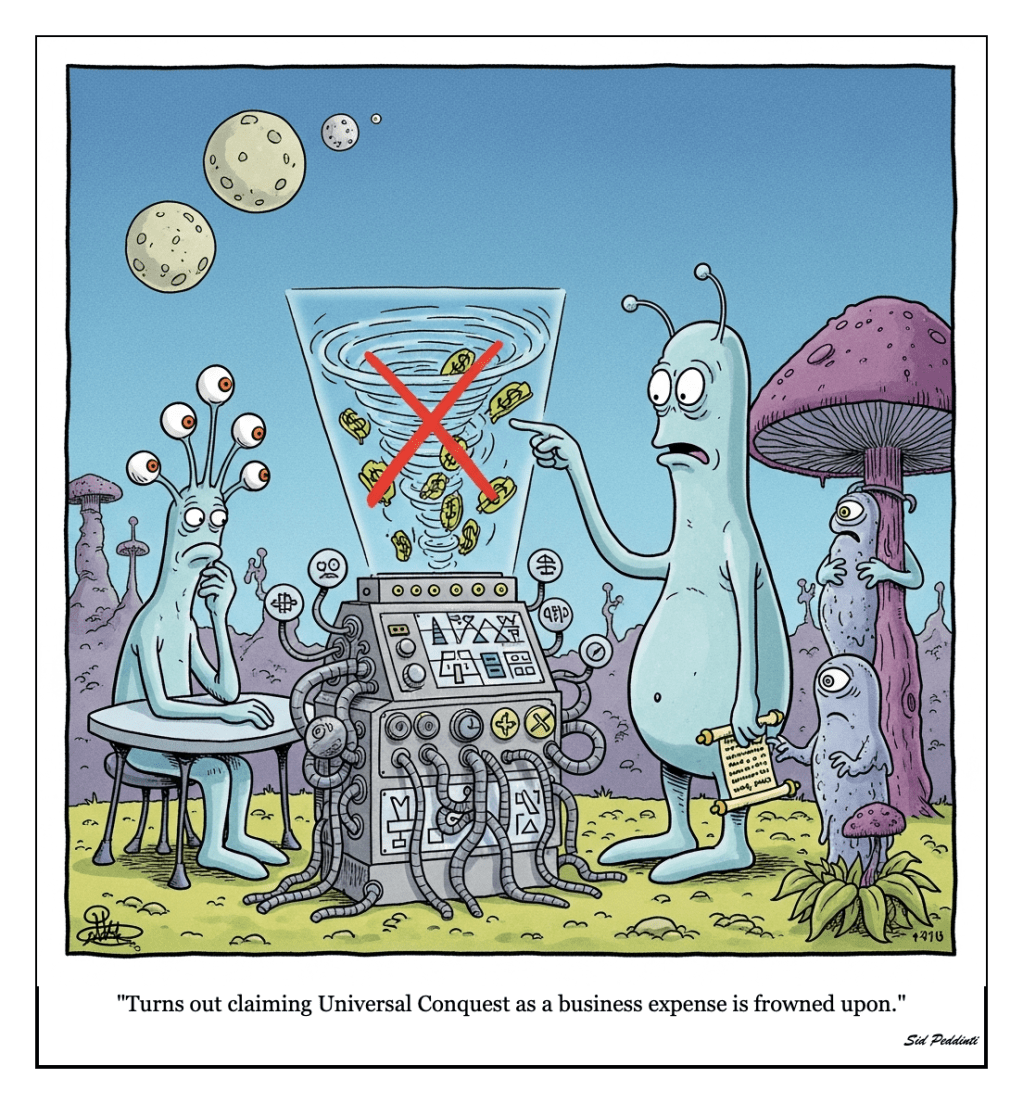
How thousands fall for loopholes years-after-year
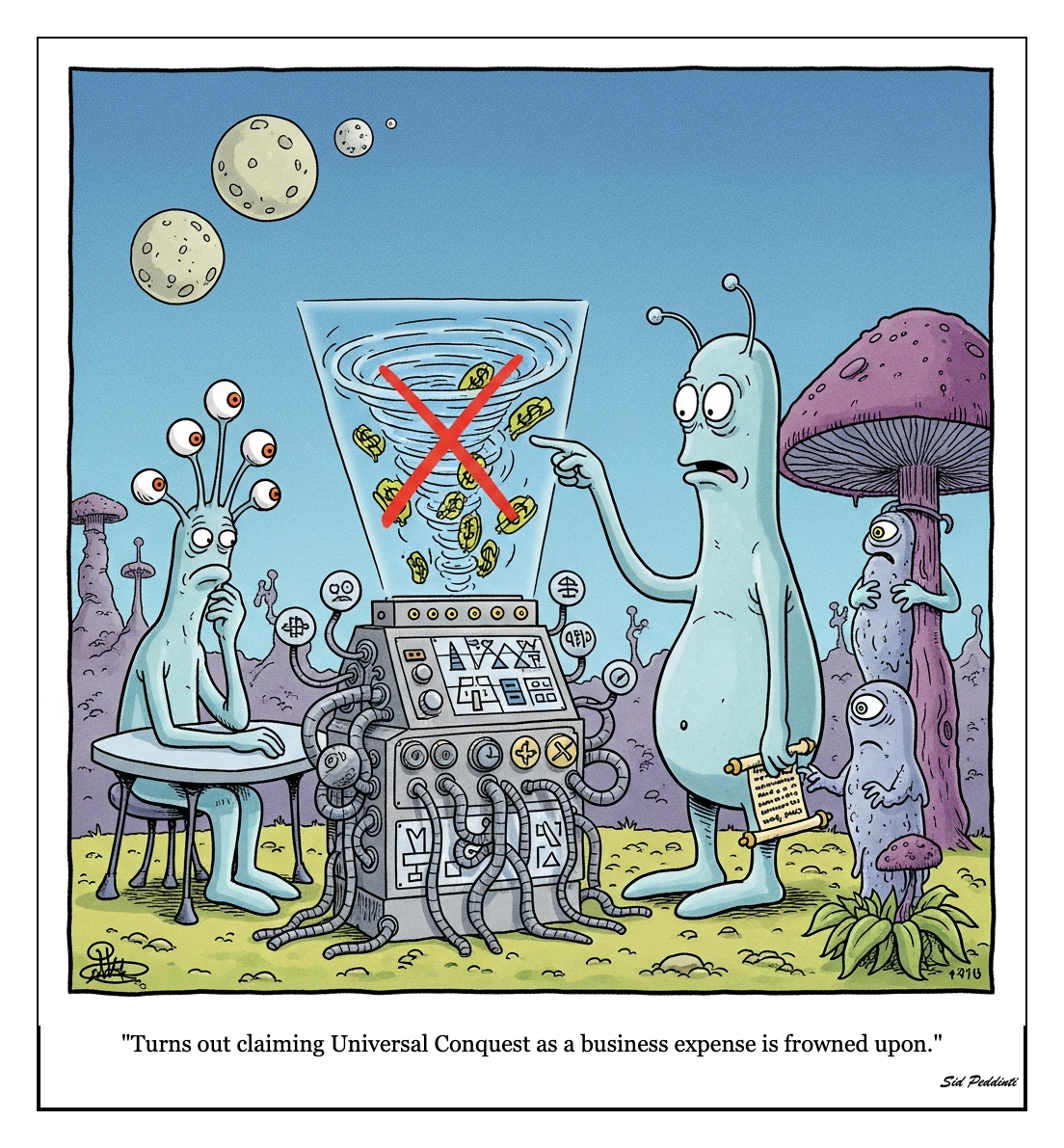
Inside An IRS “Dirty Dozen” Scam: How Smart People Get Talked Into Stupid Ideas
If you ever catch yourself saying, “This sounds too good to be true, but the person explaining it seems really smart,” that is the exact moment the trouble begins.
Every year, the IRS releases its “Dirty Dozen” list of the worst tax scams and abusive strategies it is seeing in the wild. The list changes over time, but the pattern does not.
There is always a new scheme packaged in complex language, wrapped in opinions and whitepapers, marketed in conferences and webinars, and sold to people who are successful enough to think they should have “advanced strategies.”
I have spent years reading the fine print behind these schemes, and I can tell you there is a consistent storyline.
It starts with arrogance on one side and desperation on the other.
How A Dirty Dozen Scam Usually Starts
There is a pattern.
- A high earner or successful business owner sees a large tax bill
- Someone introduces a product that promises to reduce it dramatically
- The product uses real tax terms and partial citations
- The structure is complex enough that the buyer cannot fully follow it
- There is always a sense of urgency or exclusivity
Now plug in any of the current or recent Dirty Dozen favorites:
- Abusive charitable remainder annuity trusts
- Monetized installment sale structures
- Syndicated conservation easements
- Micro-captive insurance arrangements
- Questionable digital asset schemes with international elements
On the surface, they sound clever. In practice, they are often designed to create artificial deductions, fake basis, or paper losses that are not supported by the underlying law.
What People Miss
The average investor or entrepreneur does not sit down with the Internal Revenue Code, Treasury Regulations, Tax Court opinions, and IRS notices. They listen to a presenter. They read a slide deck. They sign what looks like a standardized package.
They assume that if lawyers and CPAs are present in the room, the structure must be safe.
The IRS is telling a very different story in its Dirty Dozen summaries and enforcement actions.
What It Looks Like When It Blows Up
When one of these deals comes under audit, the IRS does not argue with the marketing language. It looks at:
- Substance
- Purpose
- Economic reality
- Whether income was shifted or losses were created artificially
- Who really bore the risk and who really benefited
Once the IRS concludes that the structure is abusive, a few things happen very quickly:
- Deductions are disallowed or reversed
- Income is recharacterized
- Penalties are added
- Interest accumulates
- Other years are opened for examination
In some cases, the planner or promoter becomes the subject of a separate investigation. In others, the taxpayer is left holding the entire risk.
I have seen clients walk into my office with glossy binders and “opinion letters” that evaporate under thirty minutes of actual legal analysis.
How To Protect Yourself
You do not need to become a tax scholar, but you do need a framework. Before you participate in any exotic structure, ask:
- Can I explain, in plain language, what this actually does?
- Is the benefit coming from real economic activity or paper movements?
- Are the promoters on the IRS radar or the Dirty Dozen list?
- Is there independent legal analysis, or is everyone quoting the same internal memo?
- Does this rely on aggressive valuation, unrealistic appraisals, or “secret” interpretations of the law?
If the answer bothers you, walk away.
Where AI Can Help Filter Out Bad Ideas
We built our AI-based Tax Strategy and Scam Scanner precisely because of these kinds of cases. Manually reviewing every strategy, structure, or package is time consuming. So we trained models, with help from Google’s AI dev team, to recognize patterns the IRS has repeatedly flagged.
Our tools can:
- Compare language in a proposal to known Dirty Dozen patterns
- Flag references to common abusive structures
- Highlight sections where the benefit looks disconnected from economic reality
- Estimate potential audit risk and penalty exposure
They are not a substitute for judgment, but they are a powerful early-warning system.
A Pro Bono Strategy and “Too Good To Be True” Review
If you have a proposal on your desk that promises “tax-free” outcomes, dramatic deductions, or complex trust arrangements you cannot fully explain, we can run it through the scanner before you commit.
Our network of attorneys and CPAs offers a free pro bono session where we review the structure with you. There is no obligation to hire anyone. We are still improving these tools and we learn from every case.
Sometimes the best tax strategy is the one you never step into.
Have a great day,
Sid Peddinti
Lawyer & Mythbuster
Sources
- IRS “Dirty Dozen” overview page: View Dirty Dozen List
- Question Digital Assets: National Law Review
- IRS 2024 and 2025 Dirty Dozen summaries
- IRS notices on abusive CRATs, monetized installment sales, conservation easements, and micro-captives
Disclaimer
This article is for educational purposes only and does not constitute legal, tax, or financial advice.
Topics covered:
#DirtyDozen #TaxScams #IRSWarnings #TaxShelters #AbusiveSchemes #TaxLaw #LawAndTaxMagazine


 Law and Tax magazine
Leave a comment